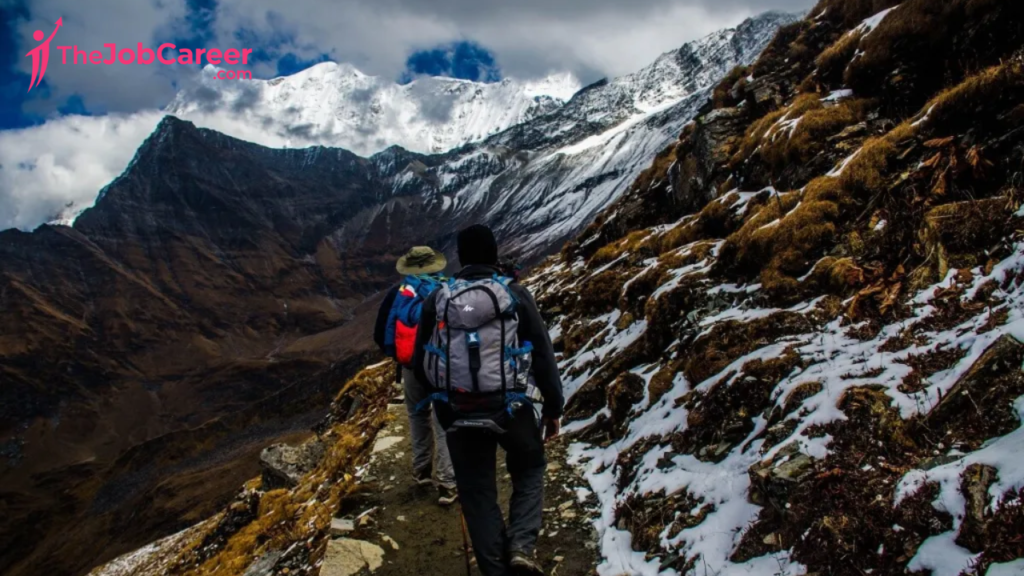

The Himalayas—often called the “Roof of the World”—are one of the greatest natural wonders on Earth. Stretching across India, Nepal, Bhutan, China, Pakistan, and Tibet, this mighty mountain range is home to some of the tallest peaks, including Mount Everest, Kanchenjunga, and Nanda Devi. For centuries, the Himalayas have inspired explorers, trekkers, saints, and nature lovers with their untouched landscapes and spiritual charm.
In this detailed article, we will explore everything about the Himalayan Mountains—their history, geography, culture, unique wildlife, and a complete guide to the best Himalayan trekking routes for beginners to advanced trekkers.
What Makes the Himalayas So Special?
The Himalayas are not just mountains—they are a complete ecosystem filled with rivers, forests, glaciers, rare species, spiritual heritage, and cultural diversity. Here’s what makes them extraordinary:
1. Home to the World’s Highest Peaks
Out of the world’s 14 tallest mountains, 10 are located in the Himalayas. These iconic peaks include:
- Mount Everest – 8,848 m
- Kanchenjunga – 8,586 m
- Lhotse – 8,516 m
- Makalu – 8,485 m
These mighty peaks attract climbers from across the globe, making the Himalayas the most popular mountaineering region on Earth.
2. The Birthplace of Great Rivers
Some of Asia’s most important rivers originate from Himalayan glaciers:
- Ganga
- Yamuna
- Brahmaputra
- Indus
These rivers support millions of lives in India and neighboring countries.
3. A Biodiversity Wonderland
The Himalayas include:
- Dense alpine forests
- Snow-covered deserts
- High-altitude meadows
- Vast glaciers
They are home to rare wildlife such as:
- Snow leopard
- Himalayan monal
- Red panda
- Himalayan black bear
4. A Spiritual and Cultural Hub
For centuries, the Himalayas have been the home of:
- Ancient monasteries
- Pilgrimage towns
- Hindu and Buddhist heritage
- Renowned meditation centers
Popular holy destinations include Kedarnath, Badrinath, Gangotri, Yamunotri, Hemis Monastery, and Tawang.
Geographical Features of the Himalayas
The Himalayan Range is divided into three major sections:
1. The Greater Himalayas (Himadri)
This includes the tallest mountains like Everest and Kanchenjunga. The region is permanently covered with snow and glaciers.
2. The Lesser Himalayas (Himachal Range)
This range includes:
- Shimla
- Mussoorie
- Nainital
- Darjeeling
These regions are popular for tourism and dense forests.
3. The Outer Himalayas (Shivaliks)
These are the foothills of the Himalayas, home to wildlife sanctuaries and fertile valleys.
Climate of the Himalayas
The Himalayan climate changes drastically with altitude:
- Below 1,500 m: Pleasant weather, forests
- 1,500–3,000 m: Cool climate, pine forests
- 3,000–5,500 m: Snow for most of the year, frozen lakes
- Above 5,500 m: Extremely cold, no vegetation
The variety in climate makes the Himalayas suitable for both summer and winter trekking.
A Complete Guide to Himalayan Trekking
Himalayan trekking is one of the most thrilling experiences in the world. Whether you’re a beginner or an expert trekker, the Himalayas offer something for everyone. Below is a complete overview of the best trails, difficulty levels, and what makes each trek unique.
Top 10 Best Himalayan Treks (Detailed Guide)
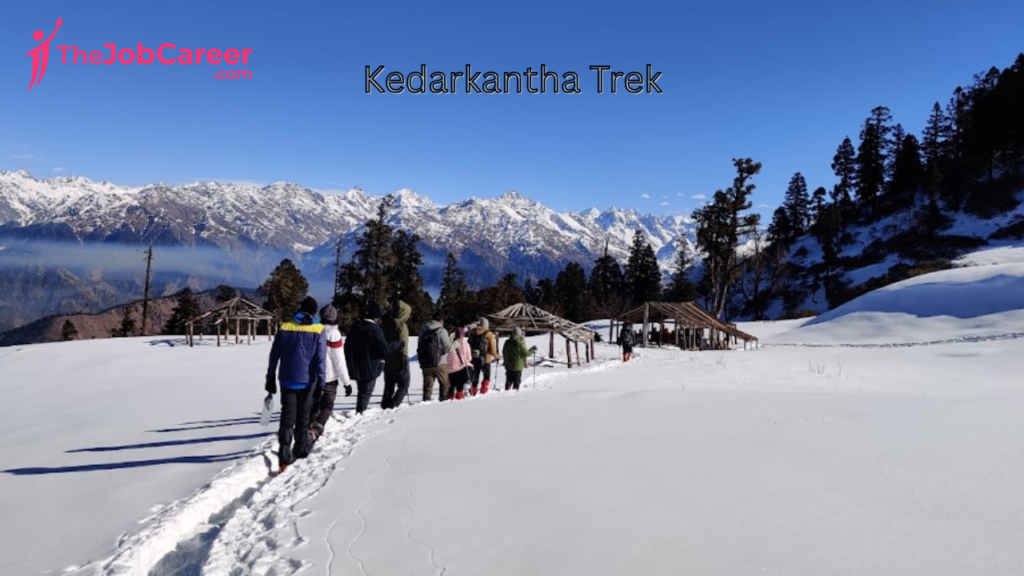
1. Kedarkantha Trek (Uttarakhand)
Difficulty: Easy to Moderate
Best Time: December to April
Highlights:
- Ideal for beginners
- 360° views of snow-covered peaks
- Magical forest trails
This winter trek is famous for its stunning campsites and breathtaking summit views.
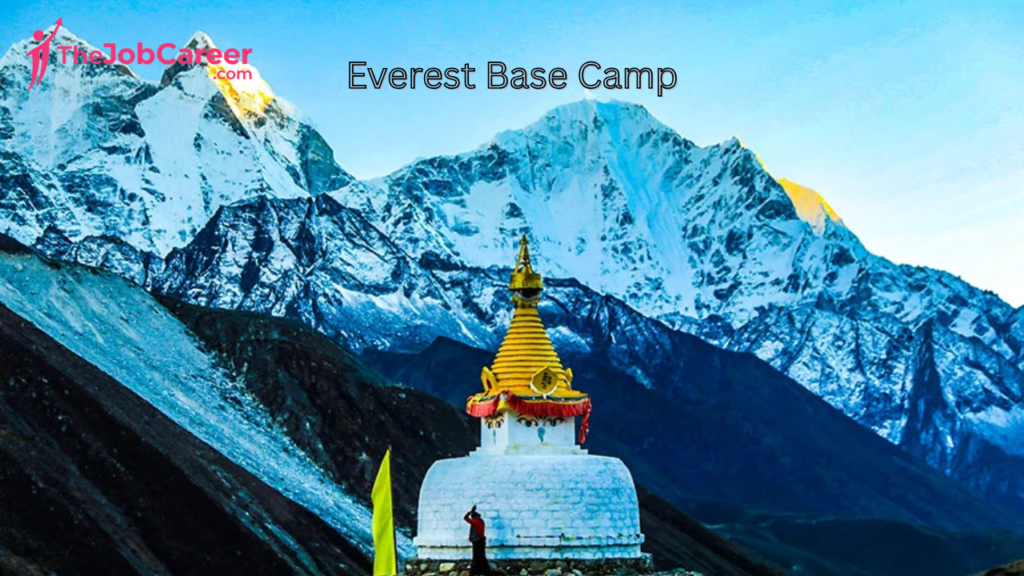
2. Everest Base Camp Trek (Nepal)
Difficulty: Moderate to Difficult
Best Time: March – May & September – November
Highlights:
- Experience Sherpa culture
- View of Everest up close
- Walk through the Khumbu Glacier
One of the world’s most iconic treks, offering a lifetime adventure.
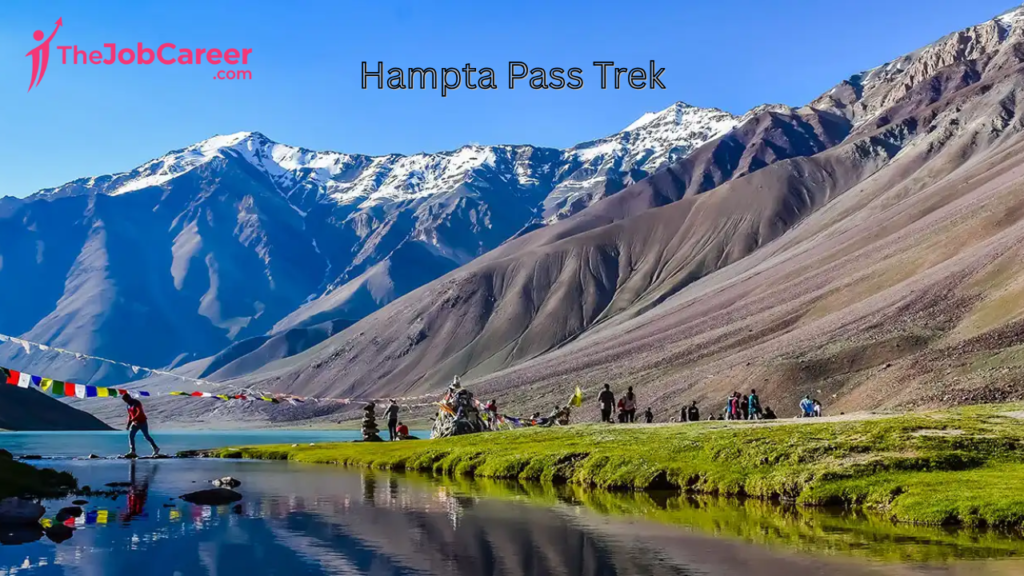
3. Hampta Pass Trek (Himachal Pradesh)
Difficulty: Moderate
Best Time: June to October
Highlights:
- Green valleys on one side
- Cold desert on the other (Spiti)
- Chandratal Lake
A perfect blend of beauty and thrill.
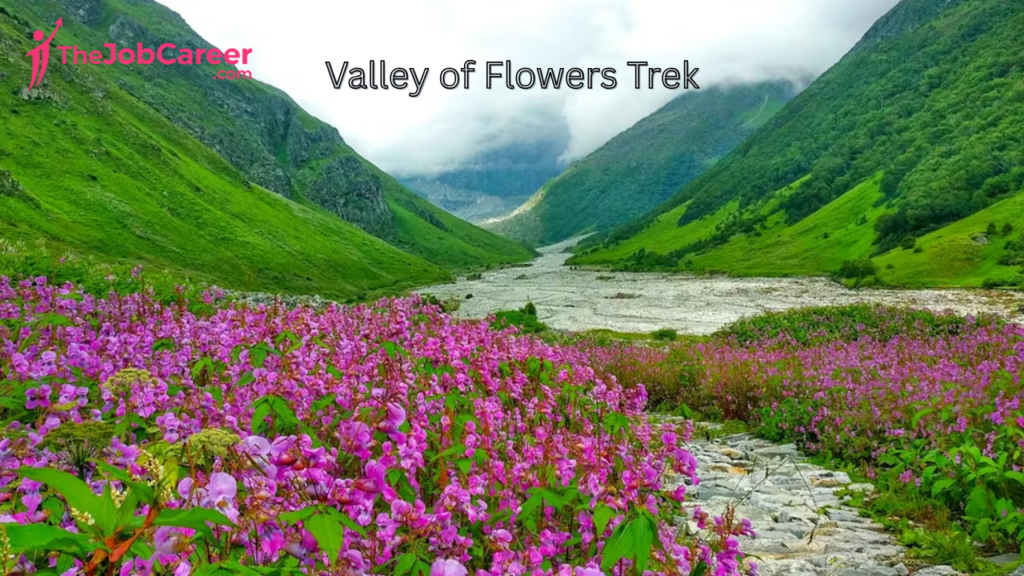
4. Valley of Flowers Trek (Uttarakhand)
Difficulty: Easy
Best Time: July to September
Highlights:
- UNESCO World Heritage Site
- Colorful alpine flowers
- Krishna River origin
Ideal for nature lovers and families.
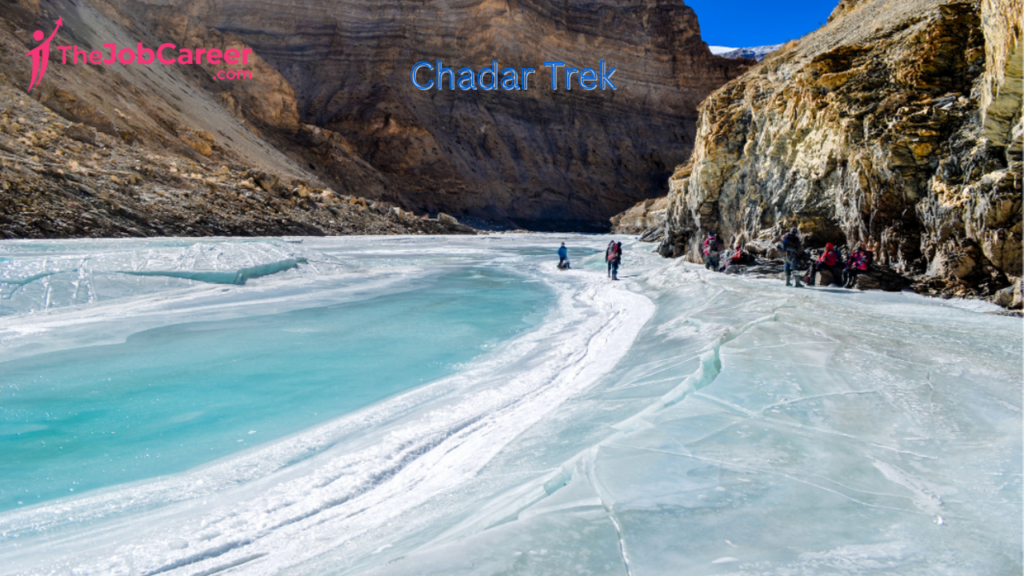
5. Chadar Trek (Ladakh)
Difficulty: Difficult
Best Time: January to February
Highlights:
- Walk on a frozen river
- Tall canyon walls
- Extreme winter adventure
This trek requires great endurance and strength.
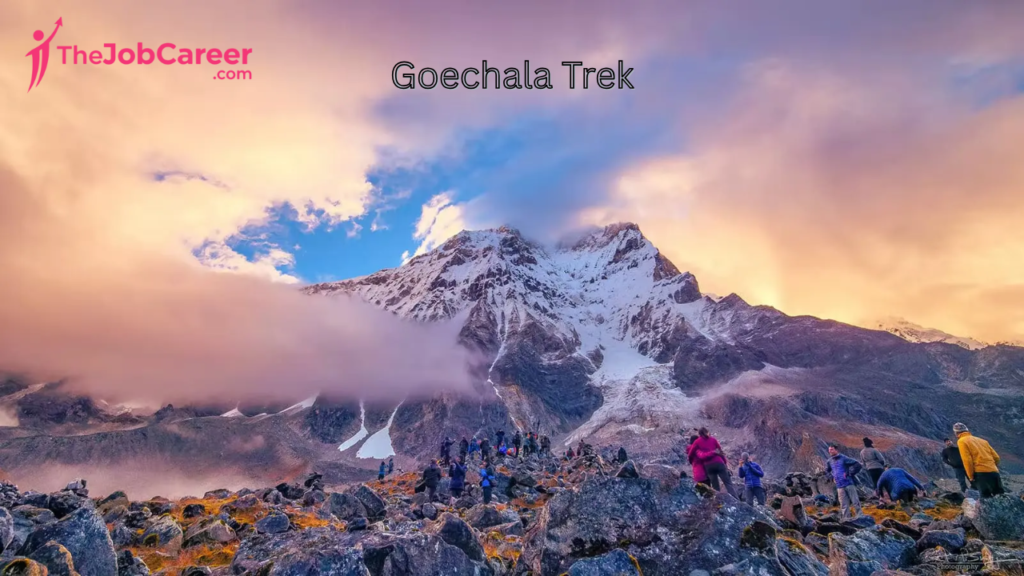
6. Goechala Trek (Sikkim)
Difficulty: Difficult
Best Time: April–June & September–November
Highlights:
- View of Kanchenjunga
- Dense forest trails
- High-altitude lakes
Perfect for experienced trekkers.
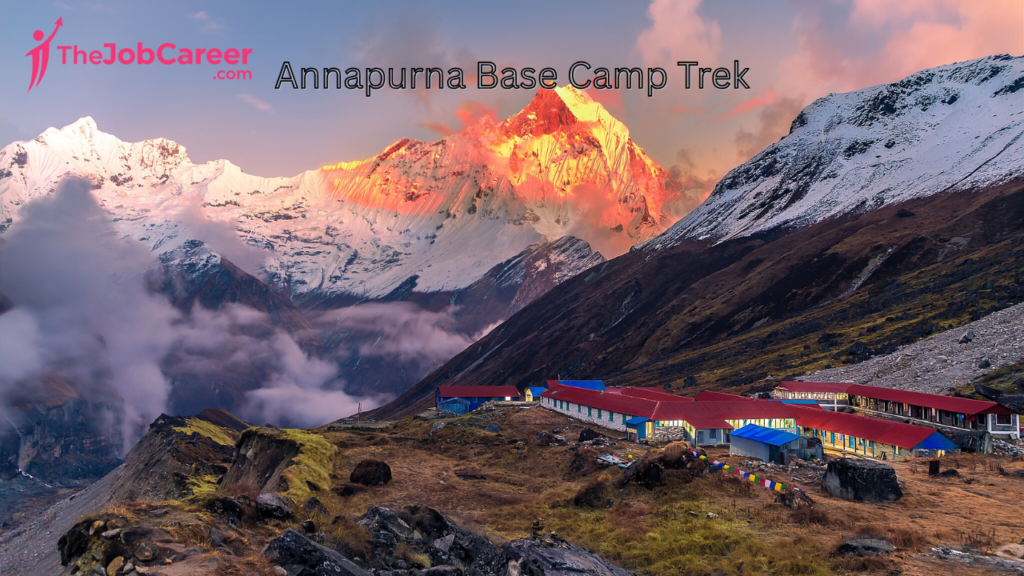
7. Annapurna Base Camp Trek (Nepal)
Difficulty: Moderate
Best Time: March–May & September–December
Highlights:
- Himalayan villages
- Rhododendron forests
- 360° Annapurna views
One of the most scenic treks in the world.
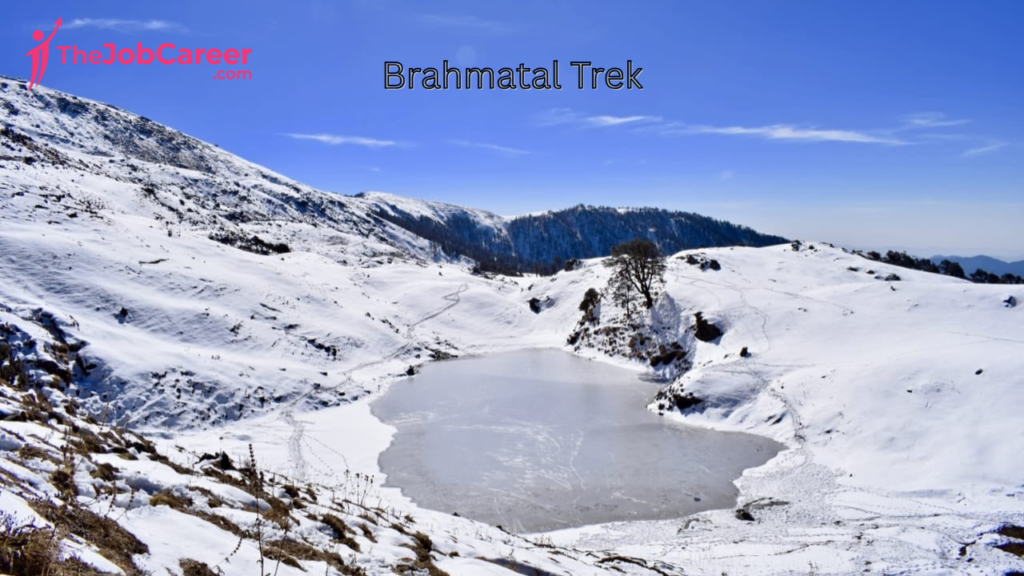
8. Brahmatal Trek (Uttarakhand)
Difficulty: Easy to Moderate
Best Time: December to March
Highlights:
- Snow trek
- Alpine lakes
- Clear night skies
Great for beginners looking for a winter experience.
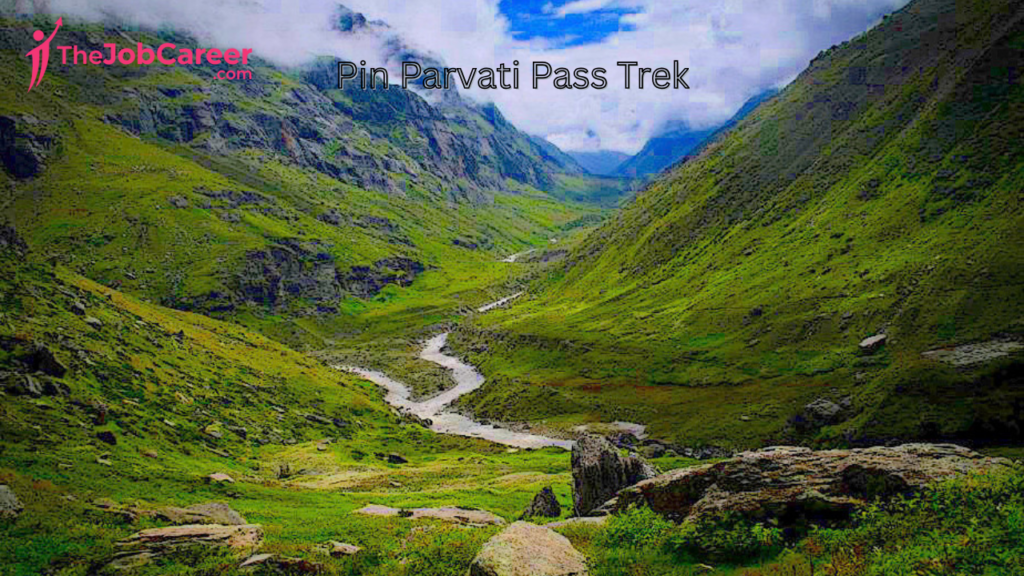
9. Pin Parvati Pass Trek (HP)
Difficulty: Very Difficult
Best Time: July to September
Highlights:
- High passes
- Rugged landscapes
- Stunning Spiti Valley
Only recommended for pro trekkers.
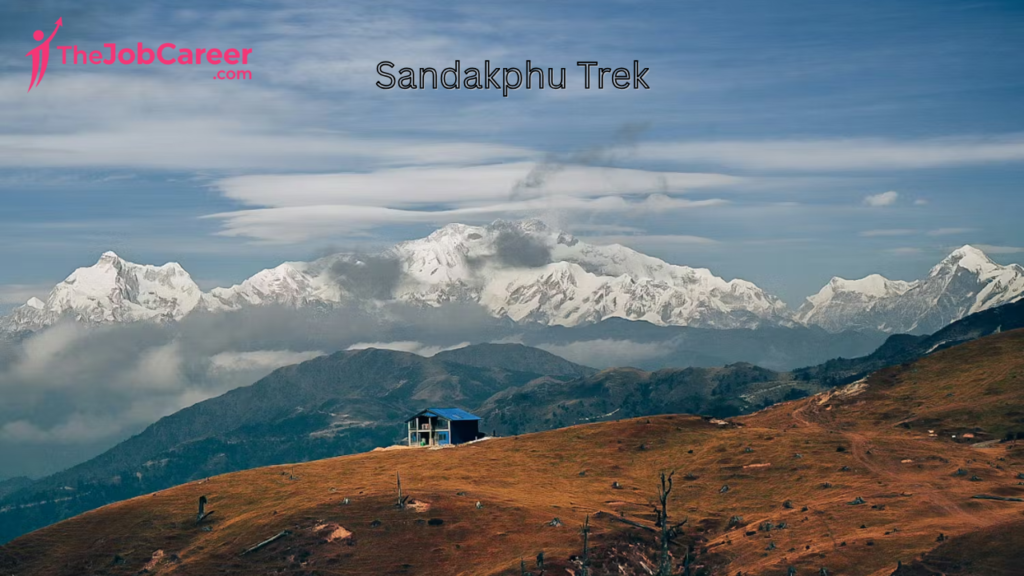
10. Sandakphu Trek (West Bengal)
Difficulty: Moderate
Best Time: October to April
Highlights:
- Views of 4 tallest peaks
- Local culture
- Himalayan sunrise
One of the best viewpoints in India.
Tips for Safe Himalayan Trekking
1. Prepare Physically
Practice:
- Brisk walking
- Jogging
- Stair climbing
2. Pack Essential Gear
- Trekking shoes
- Thermal wear
- Windproof jacket
- Water bottle
- Medicines
3. Acclimatize Properly
Spend enough time at high altitudes to avoid AMS (Altitude Mountain Sickness).
4. Travel with Certified Guides
Local guides ensure safety, navigation, and emergency support.
Conclusion: Why the Himalayas Should Be on Your Bucket List
The Himalayan Mountains are not just a destination—they are an emotion. Their beauty, spirituality, biodiversity, and adventure make them one of the most unforgettable places on Earth. Whether you want peaceful environment, thrilling treks, or cultural experiences, the Himalayas offer something magical for every traveler.
From the holy peaks of Uttarakhand to the adventurous trails of Nepal, every corner of the Himalayas tells a story of nature’s greatness. Trekking here is not merely a physical journey—it’s a transformation of the mind and soul.
If you’re planning your next travel adventure, put the Himalayas at the top of your list. Their beauty stays with you forever.