
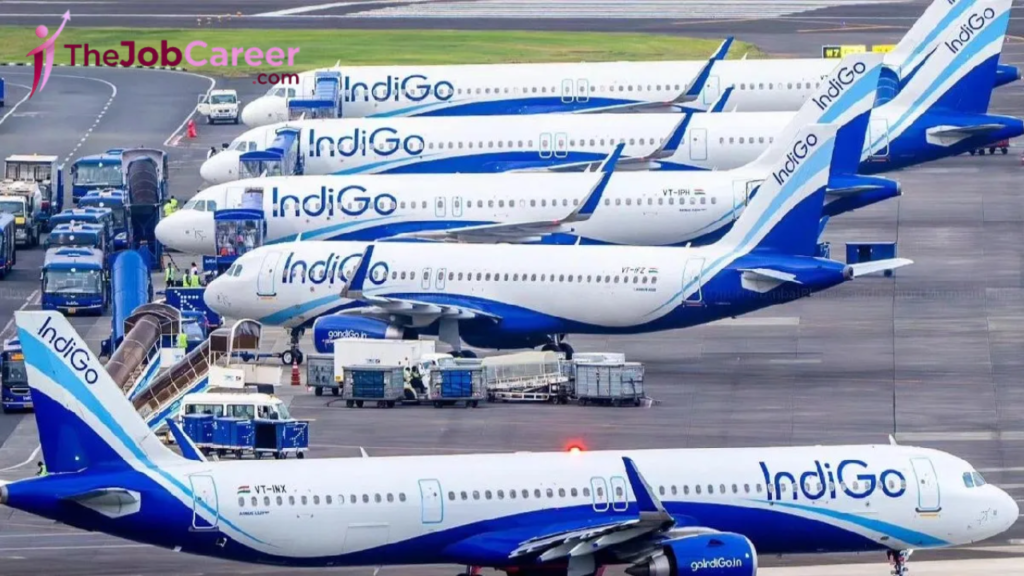

India’s aviation sector is witnessing one of its most challenging weeks in recent years. Massive flight cancellations by IndiGo — the country’s largest airline — have triggered nationwide disruptions, leaving thousands of passengers stranded, fares skyrocketing, and airports under pressure. But this time, the government is responding swiftly.
The Consumer Affairs Ministry, in coordination with the Civil Aviation Ministry, has stepped in to monitor passenger issues, track refund compliance, and explore long-term solutions to prevent future airline failures of this scale.
This 1600-word detailed blog breaks down what went wrong, how authorities are responding, and what passengers must know in such situations.
1. What Led to IndiGo’s Massive Operational Breakdown?
IndiGo has been known for its punctuality and scale, operating more than half of India’s domestic flights. However, in the past six days, the airline has cancelled over 2,500 flights, both domestic and international.
Airports such as Delhi, Bengaluru, Mumbai, and Hyderabad saw:
- Stranded passengers sleeping on airport floors
- Missing baggage issues
- Long queues for refunds
- Sudden fare spikes from other airlines
Delhi Airport even issued an advisory stating that delays would likely continue.
Why did this meltdown happen?
According to the Directorate General of Civil Aviation (DGCA), the root cause is IndiGo’s failure to meet new FDTL (Flight Duty Time Limitations) norms, which regulate pilot duty hours and mandatory rest periods.
These norms were rolled out in phases since 2024, with the remaining and most impactful requirements activated on November 1, 2025.
IndiGo, however, wasn’t fully prepared.
What the new FDTL rules require:
- Stricter rest periods for pilots
- Reduced maximum flight hours
- Updated roster planning
- Increased staffing requirements
- Safety-first scheduling practices in line with international standards
While these rules improve flight safety, they also require airlines to have enough pilots and efficient crew planning.
DGCA believes IndiGo failed to scale up its staffing and scheduling systems in time, leading to a ripple effect:
- Crew shortages
- Cascading delays
- Sudden flight cancellations
- Logistical chaos
2. Government Steps In: Emergency Monitoring and Strict Compliance
Recognizing the scale of disruption, the Consumer Affairs Ministry has increased manpower on its helplines to handle passenger complaints.
The ministry is focusing on three priority areas:
a) Passenger Refunds
DGCA has given a clear deadline:
- All refunds for cancelled or severely delayed flights must be completed by 8 PM on December 7.
IndiGo has claimed that it has already processed ₹610 crore in refunds, highlighting the scale of cancellations.
The airline has also:
- Enabled automatic refunds for cancelled flights
- Waived all change/cancellation fees for travel between December 5–15
b) Baggage Delivery
Thousands of passengers were separated from their luggage because of last-minute cancellations and reassignments.
DGCA issued a directive:
- All misplaced baggage must be traced and delivered to passengers within 48 hours.
IndiGo says it has already delivered around 3,000 pieces of delayed baggage.
c) Monitoring Fare Surges
When IndiGo flights were cancelled in bulk, the demand moved instantly to other airlines. This caused ticket prices on busy routes to shoot up dramatically — a phenomenon seen several times in India.
To prevent exploitation:
- DGCA imposed temporary fare caps on key routes
- Aviation authorities have issued warnings against unjustified fare hikes
- Enforcement teams are watching real-time ticketing data

3. Inter-Ministerial Meetings Begin: Fixing the Structural Problems
Officials from the:
- Consumer Affairs Ministry
- Civil Aviation Ministry
- DGCA
- Other related departments
have already held initial internal meetings to discuss long-term reforms.
Possible structural fixes being explored:
- Revised crew management standards
Ensuring airlines cannot under-staff or depend on tight rosters. - Mandatory disruption-response planning
Every airline may be required to maintain a crisis module with communication and rerouting strategies. - Stronger passenger rights rules
Including stricter compensation guidelines for cancellations and delays. - Faster automated refund systems
Reducing manual delays and ensuring refund completion within hours. - Better transparency for fare hikes
Preventing airlines from exploiting sudden surges in demand.
The government believes that IndiGo’s crisis is both a warning and an opportunity to strengthen consumer protection laws in aviation.
4. The FDTL (Flight Duty Time Limitations) – Why It Caused a Crisis
FDTL regulations were introduced for pilot safety and flight reliability, aligned with global standards.
Why these rules matter:
- Prevent pilot fatigue
- Reduce in-flight risk
- Ensure pilots receive adequate rest
- Improve long-term safety of Indian aviation
IndiGo struggled to comply due to:
- Slow pace of hiring new pilots
- Inadequate rostering systems
- Dependence on tight schedules
- High operational load
Ironically, these rules were designed to improve safety, but the failure to plan for them led to a nationwide operational collapse.
5. Government Offers Temporary Relief — But With Conditions
The Civil Aviation Ministry announced a one-time temporary relaxation for IndiGo from select FDTL norms to stabilize operations. This is not a rollback but a limited exemption only until IndiGo gets back on track.
What remains enforced:
- Refund deadlines
- Baggage delivery timelines
- Fare caps
- Strict monitoring of schedules
- Daily reporting to DGCA
Why the exemption was granted
Without it, cancellations would have continued at the same scale or worsened.
The temporary relief allows IndiGo to:
- Realign rosters
- Bring more pilots into rotation
- Simplify operations
- Resume normal schedules faster
6. Current Status: Has the Situation Improved?
As of December 7:
- IndiGo operated 1,650 flights
- Around 650 flights were still cancelled
While this is an improvement, it is still far from normal operations.
Passengers may continue to experience:
- Limited seat availability
- Higher-than-usual fares on certain routes
- Slower baggage tracking
- Delays in customer service responses
Delhi Airport has already cautioned that disruptions may continue for a few more days.
7. What Passengers Should Do During Such Airline Disruptions
Airline disruptions can be stressful, but passengers can follow a few practices to avoid losses.
1. Claim Refunds Immediately
Use:
- Airline’s website
- Mobile app
- Booking portal (if booked via aggregator)
Refunds for cancelled flights are mandatory, not optional.
2. Track Baggage Using Airline Systems
IndiGo provides baggage tracking through:
- File Reference Number
- App notifications
- SMS updates
3. Check Caps on Fare Prices
Passengers should avoid panic booking at extremely high rates.
DGCA’s temporary caps will stabilize prices.
4. Use the National Consumer Helpline
The Ministry has boosted staff to ensure fast resolution.
Phone: 1915
Website: consumerhelpline.gov.in
5. Rebook Only Through Official Sources
Third-party agents may delay refunds.
8. Long-Term Impact on India’s Aviation Sector
IndiGo’s meltdown has exposed deeper issues:
- Pilot shortage across Indian airlines
- Fast expansion without adequate staffing
- Dependence on tight turnaround times
- Weak passenger compensation laws
- Lack of transparency during disruptions
This crisis may push the government to:
- Introduce stronger airline regulations
- Enforce robust consumer protection
- Demand better operational planning
- Ensure airlines maintain extra crew capacity
9. Will This Affect IndiGo’s Reputation?
IndiGo has enjoyed a strong reputation for punctuality, but this crisis has been a major setback.
Short-term:
- Dip in consumer confidence
- Loss of revenue
- Increased scrutiny by regulators
Long-term:
- The airline’s response and recovery pace will determine its credibility
- Safety-first rules may actually strengthen its future reliability
Conclusion: A Turning Point for Indian Aviation
The IndiGo crisis is one of the biggest operational disruptions India has seen in years. However, the strong response from the Consumer Affairs Ministry and the Civil Aviation Ministry signals a new era of accountability.
With:
- Mandatory refunds
- Fare caps
- Baggage delivery deadlines
- Monitoring of airline practices
- Structural reforms in progress
India is moving toward a more consumer-centric aviation system.
For passengers, this episode is a reminder that travel rights are protected — and the government is ready to act when airlines fail to deliver.