
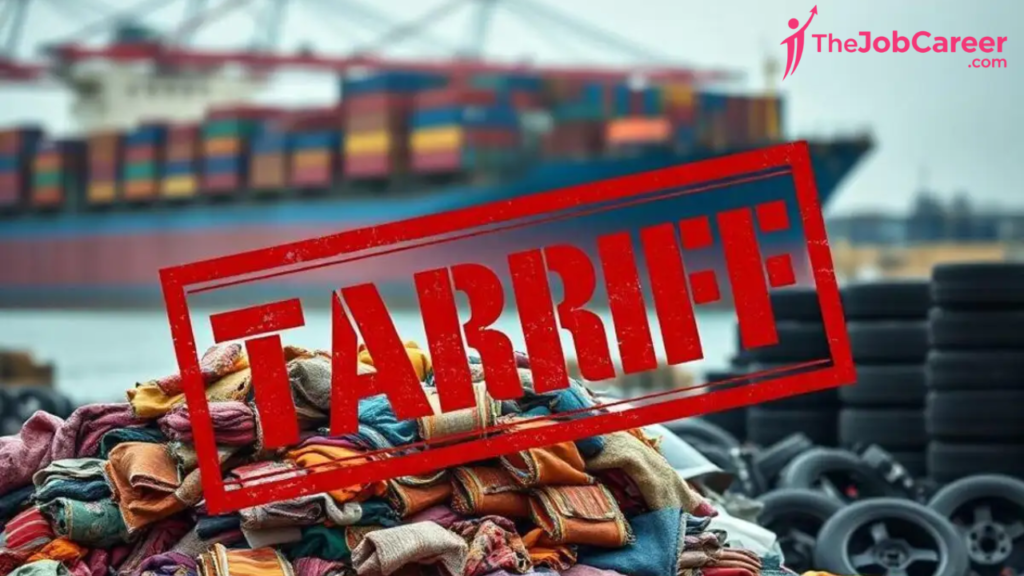

In a major global trade development, Mexico has approved new tariffs that will impact more than 1,400 imported products from countries that do not have a free trade agreement with Mexico. These new measures—scheduled to come into force on 1 January 2026—will affect a wide range of goods, including metals, automobiles, plastics, chemicals, textiles, clothing, and home appliances.
While much international focus has been on how these tariffs impact China, the new policy will also significantly affect India, along with other major exporting countries such as Thailand, Indonesia, Malaysia, Vietnam, South Korea and Turkey.
Mexico’s government, led by President Claudia Sheinbaum, has defended the move, saying the tariffs are necessary to protect local manufacturing and prevent market dumping. However, for India and other developing countries that rely heavily on exports, this tariff hike presents new challenges and opportunities within global trade dynamics.
This comprehensive 1600-word article breaks down how Mexico’s tariff changes impact India, why the decision matters globally, what it means for Indian exporters, and how the US-Mexico-China dynamics shape the future of global trade.
Why Mexico Imposed New Tariffs: A Push for Domestic Manufacturing
Mexico’s Senate passed the tariff package with the objective of strengthening domestic industries and reducing dependence on foreign imports. Over the last decade, Mexico has seen:
- Increased competition from low-cost imports
- Growing concerns about losing manufacturing jobs
- A surge in Chinese and Asian companies setting up assembly units
- Pressure from the United States on trade regulations
As a result, Mexico has imposed up to 50% tariffs on nearly 1,400 products.
The targeted product categories include:
- Steel and metal products
- Electrical machinery
- Automobiles and auto parts
- Consumer appliances
- Textiles and clothing
- Plastics and chemicals
- Footwear and leather goods
Many of these goods are key export items for India, meaning Indian businesses will feel the impact.
How Mexico’s New Tariffs Impact India
India does not have a free-trade agreement (FTA) with Mexico, which places it directly in the category of countries affected by the new policy.
Sectors in India That Will Be Hit Hardest
The following sectors may face immediate challenges:
1. Steel and Metal Exporters
India is one of the world’s major steel exporters. Indian steel companies export significant volumes to Latin America, and Mexico has been a growing market in recent years. A 50% tariff will:
- Reduce India’s price competitiveness
- Make exports unviable
- Push Indian companies to redirect shipments
2. Automobile and Auto Component Manufacturers
India exports two-wheelers, small cars, and auto parts globally. With Mexico being an important automotive hub, these tariffs will:
- Increase cost of Indian auto parts
- Reduce opportunities for Indian EV and component exporters
- Make room for NAFTA-based suppliers, especially Canadian and US firms
3. Textile and Clothing Industry
India’s textile exports to Latin America have grown steadily. However, a sharp tariff hike will:
- Reduce Indian access to Mexico’s apparel market
- Encourage Mexican retailers to source from FTA partners
4. Electronics and Appliances
India exports finished electronic goods, wiring systems, and electrical machinery. The increase in tariff will make these products expensive in Mexico.
Why Mexico’s Tariff Move Is Connected to the US–China Trade War
The decision does not exist in isolation. It is deeply influenced by global geopolitics and ongoing trade tensions.
1. US Pressure on Mexico
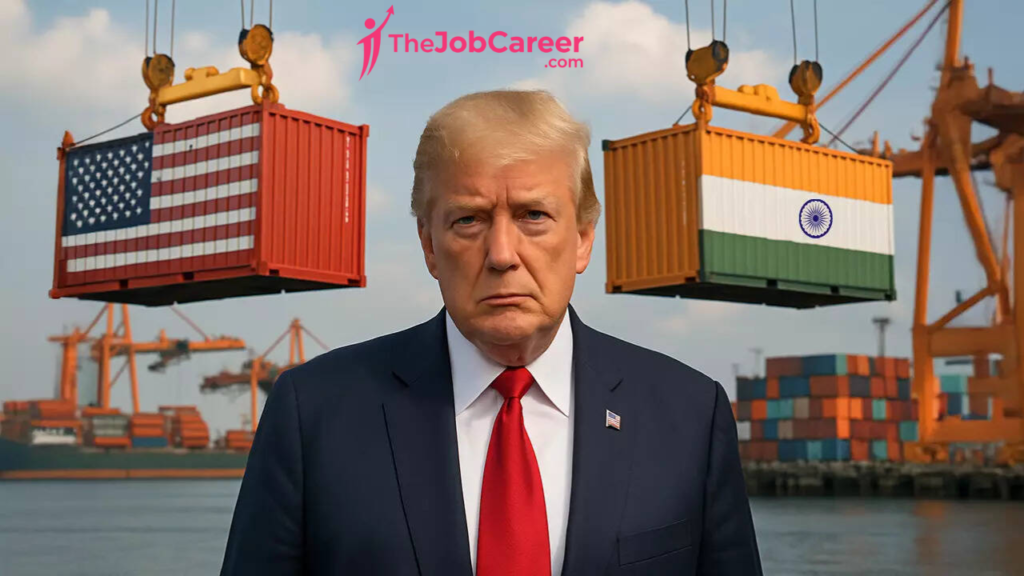
Former US President Donald Trump has repeatedly warned Mexico about:
- Possible 25–50% import duties
- Additional tariffs on steel and aluminium
- Penalties related to border security and immigration
- Demands to stop fentanyl trafficking
- Disputes over agricultural water-sharing agreements
Mexico is trying to negotiate softer outcomes with the US by tightening its own import policies.
2. China’s Increasing Presence in Mexico
Chinese companies like BYD, Chery, MG, and Great Wall Motors have been expanding in Mexico.
The US suspects that China may use Mexico to bypass US tariffs by assembling or finishing Chinese products in Mexican factories—a strategy known as “tariff circumvention.”
3. Mexico Aligning With US Interests
By raising tariffs on Chinese and other Asian imports, Mexico signals that it is willing to work with the US, especially in:
- Automotive supply chain
- Electronics manufacturing
- EV industries
- Steel and metals
This geopolitical shift indirectly impacts India.
How This Impacts India’s Trade Strategy
India’s exports to Mexico have grown rapidly in the last decade. Key areas include:
- Pharmaceuticals
- Automobiles
- Textiles
- Engineering goods
- Chemicals
- Leather products
With the new tariffs, Indian companies will face challenges, but there are opportunities as well.
Potential Opportunities for India Despite the Tariff Hike
While tariffs hurt exporters, they also create openings in global trade restructuring.
1. India Can Strengthen Ties With Latin America
Mexico may impose tariffs, but countries like:
- Brazil
- Argentina
- Chile
- Peru
- Colombia
continue to seek strong relations with India.
2. Companies May Shift Production to Mexico
Just like China, Indian companies may consider:
- Setting up assembly units in Mexico
- Leveraging Mexico’s proximity to the US
- Taking advantage of Mexico’s manufacturing ecosystem
This would allow Indian businesses to avoid tariffs and still access the US market.
3. Demand for Non-Chinese Alternatives
The US encourages diversification away from China. India can position itself as:
- A reliable electronics supplier
- A strong auto parts manufacturer
- A growing EV components exporter
4. Strengthening India–US Supply Chain Alliance
The India-US partnership is growing due to:
- Semiconductor cooperation
- Defence manufacturing
- Digital trade opportunities
- Energy security
India can benefit indirectly as the US discourages Chinese dominance.
Global Reaction to Mexico’s Tariffs
China
China criticized the decision, saying it would:
- “Substantially harm the interests of trading partners”
- Disrupt supply chains
- Reduce bilateral cooperation
China also warned that Mexico’s policy violates global trade principles.
India
While India has not officially reacted, trade associations note:
- The tariffs will complicate exports
- Indian businesses must adapt quickly
- Demand for trade agreements with Latin America will rise
Other Affected Countries
- Thailand
- Indonesia
- Vietnam
- South Korea
- Turkey
- South Africa
All face similar challenges.
How Indian Exporters Can Prepare
1. Diversify Markets
Companies should explore opportunities in:
- Africa
- Middle East
- Europe
- South America (other than Mexico)
2. Shift to Higher-Value Goods
Compete through:
- Quality
- Technology
- Branding
3. Explore Local Production in Mexico
Consider joint ventures or manufacturing partnerships.
4. Strengthen India’s Trade Agreements
India is already negotiating trade deals with:
- UK
- EU
- GCC nations
- Australia (expansion of existing FTA)
Conclusion: What This Means for India’s Global Trade Future
Mexico’s decision to impose up to 50% tariffs marks a major shift in global trade politics. For India, the tariffs present short-term challenges but also long-term strategic opportunities.
India must:
- Strengthen its export competitiveness
- Build deeper ties with the US and Latin America
- Explore Mexican manufacturing pathways
- Diversify global supply chains
With India becoming a major global manufacturing hub, these changes could re-shape the future of international trade—placing India in a stronger, more resilient position for the coming decade.