
Introduction: A New Era of Shopping in India
The Indian shopping experience has transformed dramatically in the last decade. From visiting local markets to opening mobile apps, comparing products online, and getting doorstep delivery — everything has changed. But this change is not driven by big retailers alone. A new wave of brands — known as Direct-to-Customer (D2C) brands — is taking control of the market.
These brands skip wholesalers, skip distributors, skip retail stores — and sell directly to customers through online channels. This trend has become a revolution, especially after COVID-19, when digital adoption exploded across India.
From skincare brands like Mamaearth, to fashion brands like Bewakoof, to electronics brands like boAt, India’s D2C industry is expected to cross USD $100 billion by 2025.
But why is everyone suddenly buying from D2C brands?
What makes them special?
And what does the future of India’s D2C landscape look like?
This blog answers all these questions in depth — with insights, examples, and future predictions.
What Are D2C Brands? (Explained in Simple Terms)
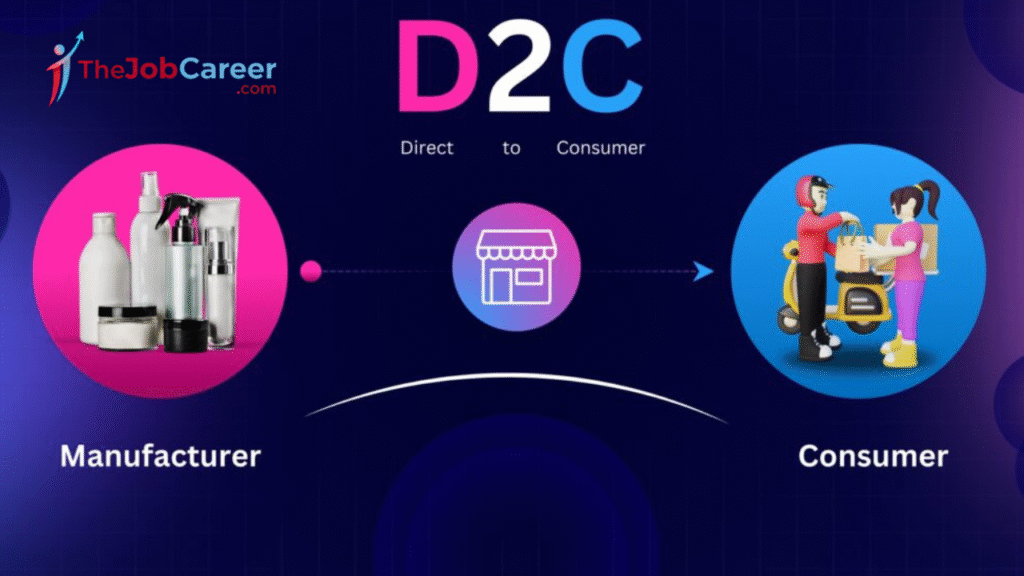
D2C stands for Direct-to-Customer. These brands:
- Manufacture their own products
- Sell directly through their website or marketplaces
- Build their own brand identity
- Understand customers through first-party data
- Control pricing, marketing, packaging, experience
Unlike traditional brands, which depend on:
- Distributors
- Wholesalers
- Retail outlets
D2C brands remove all the layers in-between.
Result?
Lower costs for customers, higher profit margins for brands.
Why D2C Is Exploding in India
Below are the major reasons why India is witnessing a massive D2C boom:
1. Young Indian Consumers Prefer Online Shopping
People between 18 to 35 years form the largest online shopping base. They prefer:
- Quick delivery
- Trendy products
- Affordable pricing
- Easy returns
- Transparent reviews
D2C brands provide all of this — and more.
Young customers also like to try new brands, instead of sticking to old traditional companies. This makes India a perfect market for emerging D2C players.
2. Social Media Changed the Game (Instagram > TV Ads)
Earlier, startups could not compete with big companies due to huge advertising budgets.
But now:
- YouTube
- Google Ads
allow even small brands to reach millions of customers affordably.
Influencer marketing also boosted D2C brands. For example:
- Mamaearth built its brand with mom-influencers
- boAt used celebrity endorsements + Instagram reels
- The Man Company grew through grooming influencers
The power has shifted from big corporates to digital creators.
3. Easy Payment Options Encouraged Online Buying
India has UPI — the world’s fastest and easiest digital payment system.
UPI made online shopping:
- Faster
- Trustworthy
- Convenient
Cash on delivery still exists, but UPI has boosted trust in online commerce.
4. Better Logistics & Delivery Network Across India
Earlier, delivery was slow and limited to metro cities.
Now, thanks to platforms like:
- Delhivery
- Ecom Express
- Shadowfax
- Blue Dart
- Amazon Transportation Services
Even tier-3 cities and villages are receiving deliveries within 2–4 days.
This enabled D2C brands to reach all of India, not just big cities.
5. Customers Want Personalization & Transparency
D2C brands provide:
- Ingredient-level transparency
- Customer feedback loops
- Personalized recommendations
- Custom packaging
- Subscription models
For example:
- Skincare brands offer quizzes to find your perfect routine
- Nutrition brands offer customization based on health goals
- Clothing brands provide virtual try-ons
This level of personalization was never possible in retail stores.
India’s Top D2C Success Stories (Game-Changer Brands)
Here are some examples of brands that changed India’s market forever:
1. Mamaearth (Beauty & Personal Care)
Started by a parent couple looking for toxin-free baby products.
Now one of India’s biggest D2C unicorns.
Their success came from:
- Ingredient transparency
- Eco-friendly branding
- Social media followers
- Customer-first model
2. boAt (Electronics & Audio Gadgets)
boAt is India’s No.1 earwear brand.
Reasons for success:
- Trendy design
- Aggressive influencer marketing
- Affordable pricing
- High youth engagement
3. Wow Skin Science
Famous for natural personal care products.
Why it works:
- Honest ingredients
- Beautiful packaging
- SEO + YouTube domination
4. The Souled Store (Apparel & Merch)
Known for quirky t-shirts and official merchandise.
Why youth loves it:
- Trendy pop-culture references
- Comfortable clothing
- Fast collection drops
5. Licious (Meat & Seafood)
Revolutionized India’s meat buying experience.
Their strengths:
- Cold-chain logistics
- High hygiene standards
- Subscription models
These brands prove one thing:
D2C is not just a trend — it’s the future of Indian commerce.
How D2C Brands Are Changing Indian Business Behaviour
Below are the major shifts caused by the D2C revolution:
1. More Indian Consumers Trust New Brands
Earlier, people only trusted:
- Tata
- Dabur
- HUL
- Godrej
- Reliance
Now, customers actively try new brands if:
- Packaging looks premium
- Ingredients are clean
- Reviews are good
- Instagram ads look attractive
This is a massive shift.
2. Branding Matters More Than the Product
D2C brands succeed because of their branding, not just their products.
Packaging, storytelling, and experience create emotional connection.
Example:
boAt calls its customers “boAtheads”.
This strengthens loyalty.
3. Customer Data Is the New Gold
D2C brands collect:
- Shopping behaviour
- Preferences
- Clicking patterns
- Abandoned carts
- Repeat purchase data
Traditional brands never had this level of information.
This data helps D2C brands improve:
- Product design
- Pricing
- Advertising
- Packaging
- Offers
Challenges Faced by Indian D2C Brands
Not everything is perfect — D2C has challenges too.
1. High Advertising Costs
Digital ads are getting expensive every year.
Cost per click (CPC) is rising.
2. Competition Is Exploding
Every month, 300+ new D2C brands launch in India.
3. Hard to Retain Customers
Customers switch quickly if:
- A discount appears elsewhere
- A new brand looks attractive
- Reviews change
4. Logistics Costs Are High
Free delivery is expensive for brands.
Return orders create losses.
The Future of India’s D2C Industry (What’s Coming Next?)
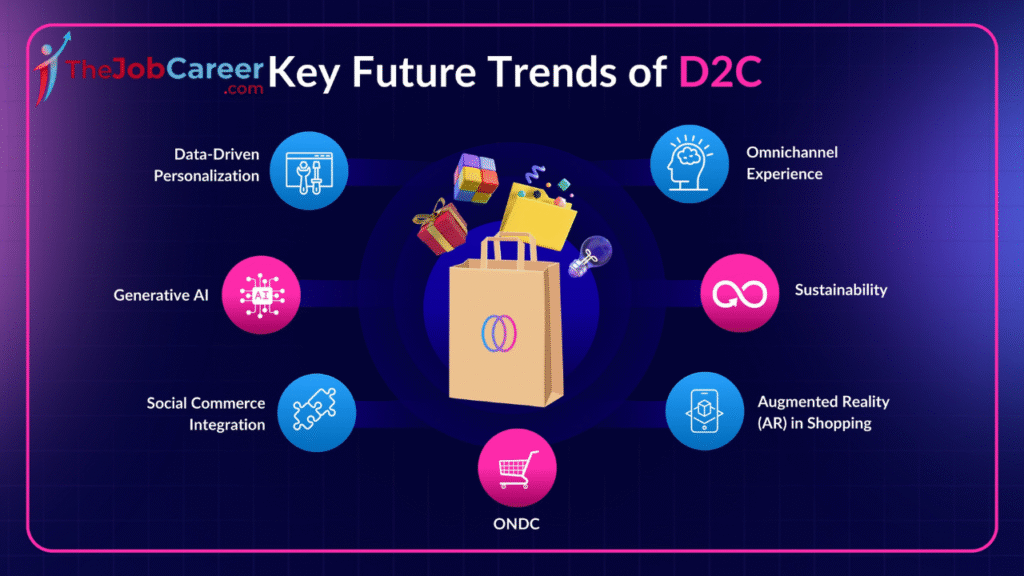
Here are the major predictions for the next 5 years:
1. Offline + Online Hybrid Will Dominate
D2C brands will open:
- Experience stores
- Pop-up shops
- Mall outlets
Example:
boAt, Mamaearth, and Sugar Cosmetics now have physical stores.
2. AI and Personalization Will Explode
Future shopping will include:
- AI-based routine generators
- Skin scanning tools
- Virtual fitting rooms
- Personalized product recommendation engines
This will increase conversions and customer loyalty.
3. More Niches Will Grow
India will see new D2C categories like:
- Ayurvedic wellness
- Fitness accessories
- Pet care products
- Sustainable clothing
- Home décor
- Regional foods
4. Subscription Models Will Become Popular
Monthly subscriptions for:
- Skincare
- Meat delivery
- Nutrition packs
- Coffee
- Dry fruits
This gives brands consistent income and customers convenience.
5. Made in India Will Go Global
Many Indian D2C brands will start selling internationally through:
- Amazon Global
- Shopify
- Direct websites
India may become a global export hub in:
- Beauty
- Ayurvedic wellness
- Home décor
- Gourmet foods
Conclusion: Why Everyone Is Buying Online From D2C Brands
The growth of D2C in India is not accidental — it is driven by:
- Young population
- Social media influence
- Better logistics
- Better product transparency
- Affordable digital advertising
- Customer personalization
- Attractive brand storytelling
The future is clear:
D2C is not just a trend — it will define how India shops for the next decade.
And in this revolution, customers get:
- Better choices
- Better quality
- Better pricing
- Better shopping experience
India’s D2C journey has just begun — and the future looks brighter than ever.